Lobster Issue 43 (Summer 2002)
The origins of Civil Assistance? In the UK in 1974-75 a number of ‘private armies’ appeared, linked to retired senior military and intelligence figures. There were General Sir Walter Walker’s Civil Assistance, Colonel David Stirling’s GB75, and George Young’s Unison. (1) These groups formed in order to frustrate the impact of strike action in the … Read more
Lobster Issue 50 (Winter 2005/6)
[…] anyone skulking in the undergrowth. The book ends on this unsatisfactory note. The Clough book, by contrast, is excellent. It provides a detailed demythologising of this particular spy case and relies on a review of all the literature in the case as well as primary research conducted by the author amongst recently released PRO […]
Lobster Issue 36 (Winter 1998/9)
[…] of campaigns of official harassment; and a long piece by David Pegg which discusses a little known but very interesting book by Karl Marx, Herr Vogt: A Spy in the Workers’ Movement, which ought to raise an eyebrow or two out there on the British Left. Notes from the Borderland is £2.50 per issue […]
Lobster Issue 56 (Winter 2008/9)
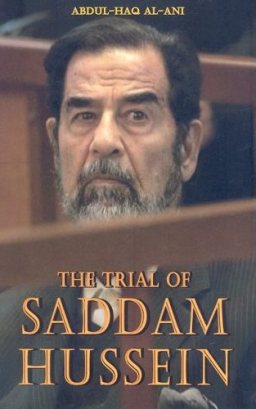
[…] Al-Ani found employment at Baghdad University in 1973. He fell victim a year later to a Ba’athist dictat that barred professors married to foreigners. After refusing to spy on foreign companies operating in Iraq, Al-Ani voyaged in 1980 with his young family to Finland. Though strongly opposed to the Ba’athists, Al-Ani wondered how any […]
Lobster Issue 42 (Winter 2001/2)
[…] plays amateur psychoanalyst at Roberts’ expense. It reminds me of the ‘skeptics’ who attack Lee Harvey Oswald as a psychopathological loner and ignore his connections to the spy world. As for Roberts alternating between ‘asking Nader for help and accusing him of being part of the Mafia’, that dynamic replayed among American voters in […]
Lobster Issue 30 (December 1995)
[…] Coleman the Pentagon has never forgiven President Truman for turning OSS into a supposedly civilian entity, and is well on the way to running the entire US spy apparat. I don’t really believe this strict military-civilian dichotomy. CIA has long been full of military spooks – General Charles P. Cabell and Admiral Stansfield Turner, […]
Lobster Issue 50 (Winter 2005/6)
Accountability I will be discussing a non subject – the accountability of the intelligence services. By accountable we mean the ability to be brought to account, to be answerable for their actions, to be subject to scrutiny and ultimately to have their actions adjudicated upon in a court of law. I will be looking at … Read more
Lobster Issue 30 (December 1995)
[…] July 1989 (syndicated column) Memo from Acting Assistant Commissioner, Office of Enforcement, to Commissioner of Customs, 30 October 1985. Mark Perry, The Secret Life of an American Spy’, Regardie’s, February 1989 Testimony of Ambassador Oakley, Senate Committee on Foreign Relations and Committee on Judiciary, hearings, International Terrorism, Insurgency and Drug Trafficking, May 13-15 1985, […]