Lobster Issue 43 (Summer 2002)
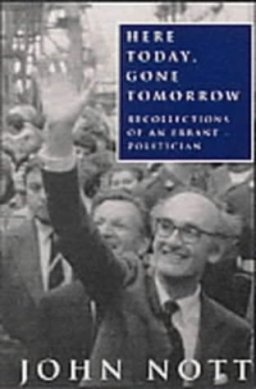
[…] eye-opening but unsuccessful spell in the real economy, into retirement as a country gentleman – that kind of rebel! Notes 14 There is nothing which throws light on the report in The Times of 2 April 2002 that Lord Carrington the Foreign Secretary had ignored reports of invasion fears coming from the Joint Intelligence Committee.
Lobster Issue 46 (Winter 2003)
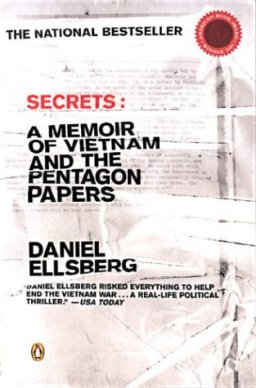
[…] it could not be won on the basis of anything less than a massive deployment of troops well beyond what was politically acceptable. This was Ellsberg’s human intelligence, as opposed to the ‘Humint’ variety of wishful thinking the president’s men were peddling. But presidents down the line were continually presented with wishful thinking from […]
Lobster Issue 28 (December 1994)
[…] a quick skim across Massiter, Bettaney, Charles Elwell – and thence into British Briefing, David Hart etc. (And Colin Wallace was not ‘a former officer in Army Intelligence’; and has not, to my knowledge, suggested that the League had office space in MI5 headquarters . But since this, like most of the assertions in […]
Lobster Issue 35 (Summer 1998)
[…] decline. Most of all, the UK is no longer a world military power but merely a cash-strapped proxy for the US, dependent upon US weapons systems and intelligence from the US-dominated global surveillance system. (I don’t take seriously recent newspapers stories about the UK creating a defensive missile screen and building – or acquiring […]
Lobster Issue 41 (Summer 2001)
[…] the U.S.’s many covert and overt anti-Soviet operations of the 1980s. As you might expect with the author’s track record of accepting what the U.S. and U.K. intelligence services tell him, there is no consideration – none; not a line – of the massive critiques of the KGB-done-it thesis by Edward Herman and others […]
Lobster Issue 37 (Summer 1999)
[…] a camera with a long lens can seem like a gun as it is pointed over a wall. The chances are that he was working for British Intelligence.’ Geraghty forthrightly condemns the Heath Government’s hard line policy, providing the fascinating detail that senior ministers had urged ‘an unlawful “shoot-to-kill” policy’ on the Army, but […]
Lobster Issue 11 (April 1986)
[PDF file]: […] and the following week; Guardian 16 July 1976; Searchlight nos. 18 and 21. 7. Private Eye speculated that the documents had been leaked by “moderates” inside British intelligence, alarmed at the activities of some of the “wild men”. This view, attractive though it is, has no evidence to support it. 8. Best collection of […]