Lobster Issue 47 (Summer 2004)
[…] Snr’s Secretary of State. (66) Another Halliburton director, Ray Hunt, of Dallas based Hunt Oil Co. and a major Bush donor, serves on George W. Bush’s Foreign Intelligence Advisory Board. (67) Other directors include Hunt’s son who served on Bush’s energy transition team, along with fellow director C.J. ‘Pete’ Silas. (68) In the circumstances, […]
Lobster Issue 53 (Summer 2007)
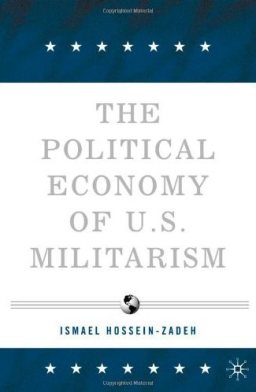
Ismael Hossein-Zadeh New York and London: Palgrave MacMillan, 2006 $75.00 (US), £37.99 (UK), h/b This is an interesting and timely book and it is a great pity it is so expensive. Put out as a paperback and maybe with a less academic-sounding title, this would sell. Little of it is intellectually taxing and any […]
Lobster Issue 36 (Winter 1998/9)
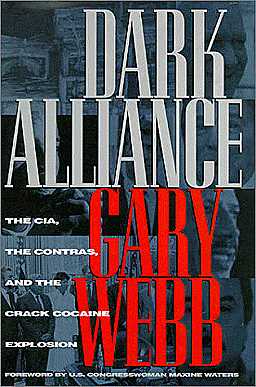
[…] drug and other criminal activities the Nicaraguan bishops had complained back in 1978. Equally disastrous was the initial decision to leave oversight of the Contras to Argentine intelligence officers, for whom the drug-financing of operations was a way of life. On March 16, 1998, in response to Webb’s allegations, the CIA Inspector-General admitted that […]
Lobster Issue 31 (June 1996)
[…] I know. On this generally, see Paul Landais-Stamp and Paul Rogers, Rocking the Boat (Berg, Oxford and New York, 1989). For a brief account, focused on the intelligence connections, see Robin Ramsay, ‘How the US tries to subvert Lange’, END Journal No. 26, February 1987. Between 1983 and ’86 seventeen employees of TVNZ went. […]
Lobster Issue 47 (Summer 2004)
[…] he was an agent of influence for the CIA, according to a former ambassador who served on the National Security Council. That is, he was not an intelligence officer as Matthiessen was, but one of the many journalists who were paid sub rosa to penetrate the media to influence policy. By deciding who would […]
Lobster Issue 36 (Winter 1998/9)
[…] have been characterised by a special Anglo-American relationship, running in parallel with the strategic one based on collaboration in NATO and the UN, as well as in intelligence sharing and nuclear weapons policy. The ideological rationale for all this has been the defence of liberal capitalism (equated with freedom of speech and national self-determination) […]
Lobster Issue 33 (Summer 1997)
[…] including an important piece by Robert Parry, ‘Lost History: Contras, Dirty Money and the CIA.’ Another important background piece is Jack Blum’s testimony to the Senate Select Intelligence Committee last year, which is reproduced in Covert Action Quarterly no. 59. However, in my opinion the two best pieces on the CIA-drugs issue which appeared […]
Lobster Issue 42 (Winter 2001/2)
Dr David Turner went to former MI5 Director-General Stella Rimington’s book-signing at Hatchard’s, Piccadilly, on 18 September 2001, where the following exchange took place. Turner (presenting book for signing after queuing briefly behind several people, including a woman wearing an Anarchist badge) ‘Hello. Do you mind a lengthy inscription?’ Rimington (smiling, flanked by several […]
Lobster Issue 38 (Winter 1999)
[…] would announce the creation of a new housing inspectorate. Lucas passed this on to his affected clients. He gave me other examples of what he called ‘… intelligence which in market terms would be worth a lot of money.’ The firm of GJW obtained advance word on the moratorium on gas-fired power stations which […]