Lobster Issue 57 (Summer 2009)
[…] general election against then Foreign Secretary Jack Straw, and has since become Rector of the University of Dundee. Once the use of torture in the production of intelligence became an issue parliamentarians could no longer ignore, Murray hoped he would be called to give evidence to the Joint Human Rights Committee investigating precisely that […]
Lobster Issue 41 (Summer 2001)
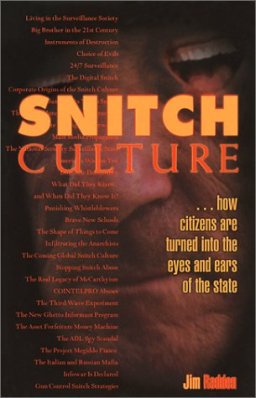
[…] society in 19th century use of private detectives to break labour organisations; the history of so-called ‘red squads’; the growth of federal law enforcement agencies and their intelligence gathering; the growth of private, political intelligence gathering from McCarthy to the ADL network blown in the 1990s; And much more, all done in a couple […]
Lobster Issue 41 (Summer 2001)
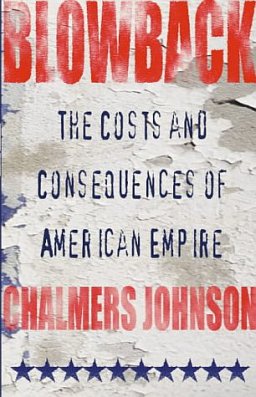
[…] chemical and biological weapons were ‘blowback’ from U.S. activities. Creating blowback is one of the things the CIA – no, let’s be fair: the U.S. military and intelligence agencies in general – are good at. AP reported on 6 January that the suspects in a series of bombings by Muslim extremists in Manila had […]
Lobster Issue 37 (Summer 1999)
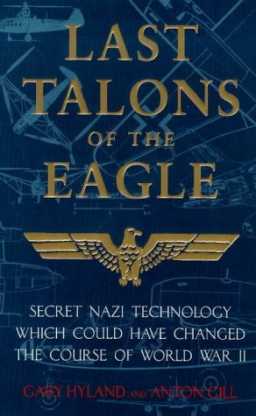
[…] authors have to writing a serious historical work. Have they never heard of St. Elmo’s Fire? Or could a simple explanation just be legitimate disinformation from Allied intelligence agencies? And what about the Germans’ known experiments with TV and radio-controlled anti-aircraft missiles? A top secret Nazi project is probably the least likely explanation. Some […]
Lobster Issue 46 (Winter 2003)
[…] the Peoples Temple, she summarises the conspiracists’ point of view, which holds ‘that people in Jonestown were murdered by U.S. government agent agents – either military or intelligence. These agents,’ she continues, ‘committed the murders to conceal some other, more damaging information…’.(3) Well, fair enough. The definition certainly describes the point of view of […]
Lobster Issue 53 (Summer 2007)
[…] most of the original witnesses had not been interviewed.(9)He also revealed that his inquiry team had wanted to investigate the possible bugging of Diana’s telephones by US intelligence services but were denied access to the records.(10)This was not enough to prevent the media from hailing the report as a triumph of fact over fiction, […]
Lobster Issue 32 (December 1996)
[…] work of Ernest Bevin, and the European Community is the work of Jean Monnet (with his faithful discipline Schuman) These are not just myths; they are, in intelligence parlance, more like ‘cover stories’. The Marshall Plan is named after the speech on June 5 1947 by US Secretary of State Marshall, which invited European […]