Lobster Issue 24 (December 1992)
[…] by Basque ETA terrorists on behalf of the Sandinistas. Curiously the reports were based on leaks – phone-calls to major newspapers in Washington and the U.S. from Intelligence sources, including the State Department’s Office of Public Diplomacy’. The latter is a kind of updated IRD, and ‘public diplomacy’ is a 1980s euphemism for disinformation […]
Lobster Issue 49 (Summer 2005)
[…] Tribunal. The IPT is the body set up under the Regulation of Investigatory Powers Act 2000 (RIPA) to hear complaints relating to conduct by the Security and Intelligence agencies, and complaints about phone-tapping. It also deals with claims under the Human Rights Act 1998, s7(1)(a) that a public authority has acted in a manner […]
Lobster Issue 31 (June 1996)
[…] on here? Cyberspace Wars: Microprocessing vs Big Brother Multiculturalism and the Ruling Elite Thirty Years after: JFK Researchers Gather in Dallas Cults, Anti-cultists and the Cult of Intelligence Cold Warriors Woo Generation X The ‘Information Superhighway’ and its discontents Organised Crime Threatens the New World Order The Decline of American Journalism The 1960s and […]
Lobster Issue 35 (Summer 1998)
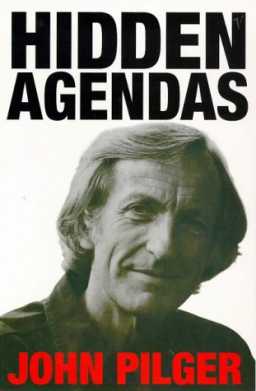
[…] Pilger refers to the SAS fighting in Vietnam ‘with US special forces’. Again, I checked in Curtis and he cites one sentence from Bloch and Fitzgerald’s British Intelligence and Covert Action. which describes SAS personnel being attached to New Zealand and Australian SAS units. Well, I have no reason to doubt them; and no […]
Lobster Issue 55 (Summer 2008)
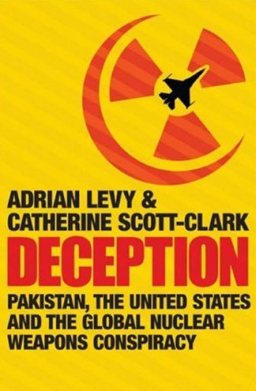
[…] the Pakistan team, lead by A. Q. Khan, trying to build a bomb in the arms race with India. In so doing they alerted a number of intelligence services who attempt to monitor such technology transfers. These services were ignored by their governments who didn’t think it mattered because they couldn’t believe that a […]
Lobster Issue 31 (June 1996)
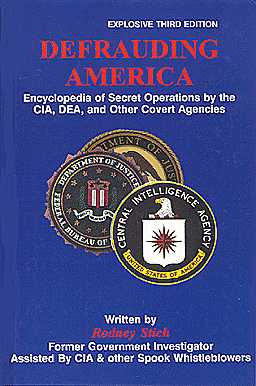
[…] ripped-off most of his money and destroyed his life, tossed him in prison. There he began to meet other victims, among whom are former US military and intelligence personnel who were involved in, or claim to have been involved in, the various intelligence scandals of the Reagan/Bush years: October Surprise, Inslaw, BCCI, the arming […]
Lobster Issue 47 (Summer 2004)
[…] of a mind control practitioner going about his work.(12) ‘Poor’ brand ambassadors In Britain, an example of a ‘poor’ BA was Sir John Scarlett, the country’s joint intelligence co-ordinator, who, giving evidence to the televised Hutton inquiry, and in an unsuccessful effort to control/downplay events, ignored his global audience.(13) So did the most powerful […]