Lobster Issue 48 (Winter 2004)
Srebrenica In Lobster 46 I noted that the publisher of Cees Wiebes’ Intelligence and the War in Bosnia 1992-1995 had declined to supply a review copy. Mr Wiebes subsequently informed me that the full report on Srebrenica, commissioned by the Dutch government, including the material which made up his book, is on-line, in English, […]
Lobster Issue 57 (Summer 2009)
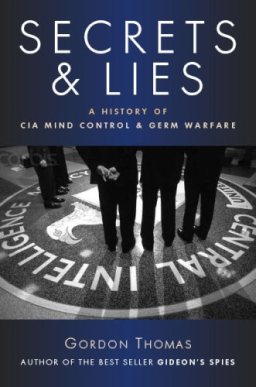
[…] history of CIA mind control and germ warfare Gordon Thomas JR Books (www.jrbooks.com) 2007, h/b, £20 Gordon Thomas has written a number of books on the intelligence services and this has a glossy cover, voluminous appendices and some admiring quotes. But it adds little to what we already know about the CIA’s research […]
Lobster Issue 55 (Summer 2008)
[…] counsel of the UK and other similarly-minded allies. This is the very essence of the liberal progressive ‘third way’ model which has been promoted by the British intelligence and security establishment and which was central to the decision to follow the US into Afghanistan and Iraq. This model made one big assumption that seemed […]
Lobster Issue 50 (Winter 2005/6)
‘Britain, 2005. Saddam Hussein, still the ruler of Iraq and possessor of a long-range nuclear missile, seeks revenge on the west. Warned by intelligence reports of Saddam’s plan, the United States deploys a space-based missile shield, which will catch the Iraqi rocket before it gets to Washington. The key installation is based in Yorkshire […]
Lobster Issue 48 (Winter 2004)
[…] you where it is. Absolute exemptions are not subject to any public interest test, and include information supplied by, or concerning: the Security Service, MI5; the Secret Intelligence Service, MI6; GCHQ; the Special Forces, e.g. the SAS; tribunals concerning intelligence and interception of communications including the Investigatory Powers Tribunal; and the National Criminal Intelligence […]
Lobster Issue 43 (Summer 2002)
[…] In the House of Commons on 14 December 1977 Stephen Hastings MP, a former MI6 officer, using Parliamentary privilege, ran the disinformation attributed to the former Czech intelligence officer Joseph Frolik that a group of British trade unions leaders were ‘agents’ of Soviet intelligence. Frolik was being run by the CIA. (p. 321) These […]
Lobster Issue 54 (Winter 2007/8)
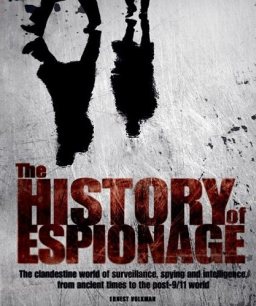
The clandestine world of surveillance, spying and intelligence from ancient times to the post 9/11 world Ernest Volkman London: Carlton, 2007, h/b, £20 This is a lavishly and creatively illustrated, large format, (i.e. slightly bigger than A4) glossy paper, coffee-table book on the history of espionage. A former journalist with Newsday, and author […]
Lobster Issue 35 (Summer 1998)
[…] CW armoury. The bomb was dropped on elements of the Republican Guard in Southern Iraq, I was informed. Heavy casualties resulted. The operation, directed by the Central Intelligence Agency, was a counter-strike, following an Iraqi Scud that fell on Israel. The missile had contained Sarin. Fuming, the Israelis had prepared to detonate a nuclear […]