Lobster Issue 45 (Summer 2003)
[…] Spooks Richard L. Russell, an academic based at the Near East-South Asia Center for Strategic Studies, the National Defense University, examines the strengths and weaknesses of American intelligence during the first Gulf War. As you would expect from someone who worked for the CIA (he was a political-military analyst specialising in Middle East and […]
Lobster Issue 40 (Winter 2000/1)
[…] (p. 372) – an absurd description for a man who, by his own admission, spent virtually the whole of the post-war period working for British and American intelligence. His role in educating Thatcher on security and intelligence issues with his Shield group of old spooks is omitted and his memoir is not included in […]
Lobster Issue 49 (Summer 2005)
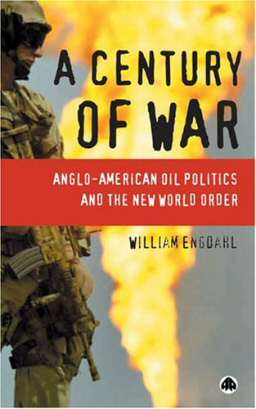
[…] p/b Google the author and you will find him listed as a senior member of the Lyndon LaRouche org in 1998, European Economic Editor of Executive Intelligence Review.() Although I have been told by his publisher that he is no longer with LaRouche, the book’s first edition was published in 1992, when he […]
Lobster Issue 42 (Winter 2001/2)
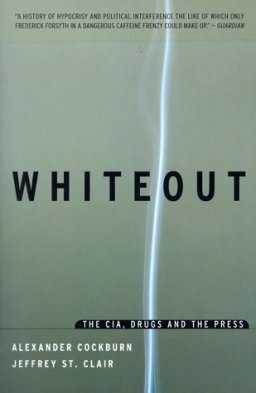
Alexander Cockburn and Jeffrey St. Clair London:Verso, 1999, £10 Much has been written about the role of the Central Intelligence Agency in the global drugs trade but this is the first book that actually brings it all together in one place. The authors haven’t exposed much that is new, instead they have taken […]
Lobster Issue 38 (Winter 1999)
[…] Repington (‘….career ended due to an indiscretion, 1902…’ according to the Dictionary of National Biography), the military correspondent of the Morning Post. Repington fed smears, gossip and intelligence to Pemberton-Billing. There were still some desultory peace talks with Germany under way. Repington (and those who backed him) wanted these stopped. Many allegations were aimed […]
Lobster Issue 51 (Summer 2006)
James Jesus Angleton and the ‘Third Way’ The CIA counter- intelligence expert James Angleton has for years been regarded as one of the keenest of cold warriors, who turned the CIA inside out in the search for Soviet ‘moles’ and ultimately had to be retired to prevent further damage to the Agency. But interesting […]
Lobster Issue 45 (Summer 2003)
[…] past couple of years. In ‘Exposing the dirty war’ (The Sunday Times Review, 13 April 2003) just before Stevens’ publication, Ware wrote of: ‘…..a group of shadowy intelligence operatives who believed they were accountable to nobody‘ (emphases added). And in case we hadn’t got the message, Liam Clarke told us in The Sunday Times […]
Lobster Issue 49 (Summer 2005)
[…] talked about Saddam Hussein in Iraq…But at that time…..the Democrats had occupied the White House for the previous eight years. So he was not privy to any intelligence whatsoever…he didn’t know what kind of situation the weapons of mass destruction was at that time.’ () About Open Government The first issue of About Open […]