Lobster Issue 37 (Summer 1999)
Introduction What follows is an interim report about Jim Jones and the Peoples Temple. In so far as it has a central thesis, it is that Jones initiated the Jonestown massacre because he feared that Congressman Leo Ryan’s investigation would disgrace him. Specifically, Jones feared that Ryan and the press would uncover evidence that the … Read more
Lobster Issue 43 (Summer 2002)
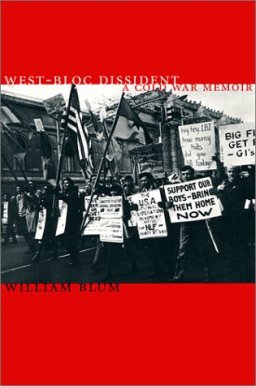
[…] California; and a little petty crime. This is the ‘alternative society’ of the time – or a version of it – but Blum’s obsessions are politics not drugs or rock music. Somehow Blum got a nasty – on the evidence of this book – a terminal dose of the desire to look the reality […]
Lobster Issue 43 (Summer 2002)
[…] a picture of him with Oliver North. I mean, he got very involved with us at one time. He liked the fast life. He liked to do drugs. He was big into racing cars. He liked women and he raised money for us among loyal Tories in England. That money would then get funnelled […]
Lobster Issue 30 (December 1995)
[…] of his studies based on his participation in programmes carried out in 1950s.(23) He described biological and hypothetical possibilities regarding psi and also underlined the effects of drugs – consistent with the CIA’s mind control programs and findings of that era.(24) Puharich had a keen interest in parapsychology. In 1956, he brought Peter Horkus, […]
Lobster Issue 52 (Winter 2006/7)
[…] twenty years are spurious. Their account of the CIA is wilfully inadequate, even for a three page summary. They describe the funding of the Contras without mentioning drugs, even when the CIA itself has admitted getting permission from the US Attorney General to ignore cocaine dealing in return for donations to the Contras. You […]
Lobster Issue 43 (Summer 2002)
David Black London:Vision Paperbacks, 20001, £9.99 This a revised edition of the book which was reviewed in Lobster 35. I’m not sure how new it is. I no longer have the original edition but this seems pretty similar to it. What is new is some material on the activities of Steve Abrams, one of the … Read more
Lobster Issue 52 (Winter 2006/7)
Clint Eastwood Movies Flags of Our Fathers, directed by Clint Eastwood and to be released in Britain in December 2006, is an example of post-9-11 PR. It tells the story of the 1945 battle for Iwo Jima and has been described as the first film in which the balance of combat and public relations has … Read more
Lobster Issue 36 (Winter 1998/9)
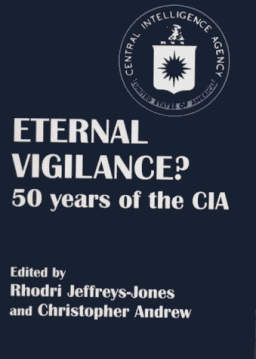
edited by Rhodri Jeffreys-Jones and Christopher Andrew Frank Cass, London/Portland, Oregon, 1997, £15.00 pb There are two kinds of books about the CIA: there are those like William Blum’s, advertised in this issue, which see the CIA simply as part of the US post-war empire, the sharp end of imperial enforcement, somewhere between the … Read more
Lobster Issue 43 (Summer 2002)
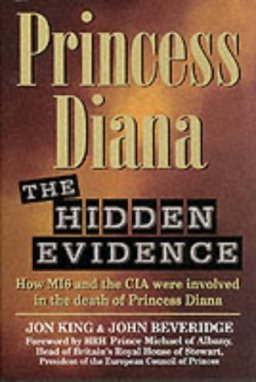
[…] injuring all but one of its occupants. Immediately after the crash and before the emergency services arrived, Henri Paul was injected with a cocktail of alcohol and drugs to help establish him as the posthumous patsy. Diana was left to succumb to her injuries, her deliberately slow progress to hospital being part of a […]