Lobster Issue 56 (Winter 2008/9)
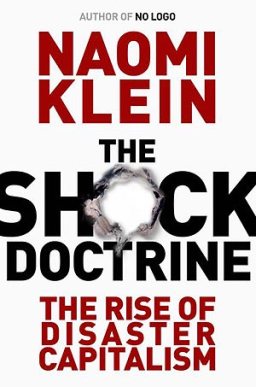
The Shock Doctrine Naomi Klein, (Penguin 2007) X Films: true confessions of a radical filmmaker Alex Cox, London and New York: I. B. Tauris, 2008 Managing Britannia: Culture and Management in Modern Britain Robert Protherough and John Pick, imprint-academic.com, ISBN 978-097645539 Guns for Hire Tony Geraghty, Piatkus, 2008 A Peoples History of American Empire: a … Read more
Lobster Issue 56 (Winter 2008/9)
[…] the 1964 Republican presidential nomination. Lodge would drag his heels at reaching any accommodation with Vietnam’s President Diem, while the CIA’s Lucien Conein was busy organising the coup against him, just as the generals dragged their feet on troop withdrawal. With the CIA engineering ‘Quiet American’ style terrorism, bombing a Buddhist monastery in Hue […]
Lobster Issue 56 (Winter 2008/9)
[…] had rebelled against Eve Balfour and her aristocratic cronies, established the more vigorous and practical organisations, the Organic Growers Association and British Organic Farmers; and staged a coup within the Soil Association which revitalised it and made it more relevant to the late-twentieth century. Some of the leading figures – Peter Segger and Dr. […]
Lobster Issue 51 (Summer 2006)
[…] only paper to give any prominence to the programme was The Daily Mail, whose two-page spread on March 13 conveyed the seriousness as well accuracy of the coup plot allegations. On that day The Guardian’s new political editor Patrick Wintour gave us nothing on Wilson, but a full page on the former leader of […]
Lobster Issue 32 (December 1996)
[…] witnessed first-hand the contacts of the domestic party with foreign powers.’ It was ‘virtual control of the American CP…..too valuable to be sacrificed for a public relations coup.’ (p. 38) In the UK, as Peter Wright first told us in Spycatcher, something similar pertained: MI5 knew who the conduit to Moscow was and allowed […]
Lobster Issue 56 (Winter 2008/9)
[…] investment came from Harvard University’s endowment fund, on whose board of directors sat an old Bush family friend, Robert Stone Jnr. Then in 1990 came Harken’s biggest coup – winning a Bahrain deal against bids from oil giants Amoco and Chevron. This was despite the fact that Harken had never been engaged in international […]
Lobster Issue 32 (December 1996)
[…] make a deal with the left-of-centre PRD (Partido Democratico Revolucionario)? Or by rival politicians from Baja California? Was his murder a warning from the drug cartels? A coup covertly sponsored by the military? Could the Americans be involved? Their economic stake in Mexico is enormous, and the United States has not been shy about […]