Lobster Issue 52 (Winter 2006/7)
[…] of Algiers, to get a feel for what we may be in for. From threat to movement? Some are now saying the unsayable: that, as with the IRA, talks will eventually be required with Al-Qaeda. That would be a sign of failure. My view is that talks should long ago have started with the […]
Lobster Issue 51 (Summer 2006)
‘I know nothing about it. I don’t want to say I didn’t at the time, but today I have no knowledge of it.’ Former US Secretary of Defense, Robert S. McNamara on the attack on USS Liberty. ‘As with the assassination of John F. Kennedy four years earlier, the official version [of the attack on … Read more
Lobster Issue 36 (Winter 1998/9)
On July 23 the Court of Appeal overturned the convictions of Noel Molland, Steve Booth and Saxon Wood (the GAndALF 3). The three had been convicted at Portsmouth Crown Court in November 1997 and sentenced to three years’ imprisonment for conspiring with two others to ‘unlawfully incite persons unknown to commit criminal damage’ by reporting […]
Lobster Issue 51 (Summer 2006)
[…] were going around: Ted Short’s phoney bank account and all the forged leaflets and letters trying to link Wilson and others to the Communist Party and the IRA. And here is the core of my complaint: it wasn’t just a plot against Wilson; it was a plot against the Labour and Liberal parties and […]
Lobster Issue 50 (Winter 2005/6)
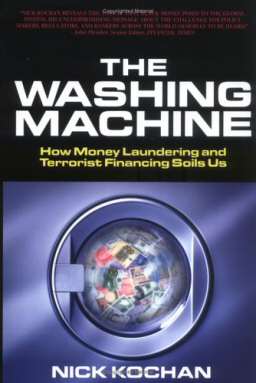
[…] himself, before being made a British citizen soon after New Labour was elected in 1997. Kochan ranges widely from the Bank of New York scandals to the IRA in courageously pursuing his theme that laundered money corrupts the wider economy. He concludes: “Money laundering by criminal or terrorist groups has far-reaching implications for the […]
Lobster Issue 50 (Winter 2005/6)
[…] inclined to put themselves forward. In addition, the use of the word risks linkage with other spook employers: a courageous former British agent who worked inside the IRA has warned that he was ‘dumped’ by the security forces. ‘When you are no longer of use, they leave you high and dry with no regard […]