Lobster Issue 54 (Winter 2007/8)
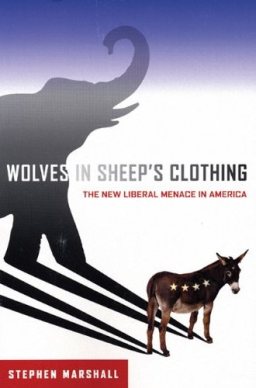
[…] to Stephen Marshall’s important but flawed book, Wolves in Sheep’s Clothing, she’s just another ‘fallen liberal’ who either provides ineffective and impotent criticism of the present neo- conservative order or actually feeds it. It’s because of the essential truth in much of what Marshall says about former Left renegades in his book, that I […]
Lobster Issue 28 (December 1994)
Compromised Reporting Taking its cue from a powerful network of far-right radio commentators, the American press insists on noting only those financial scandals which don’t sully ultra- conservative politicians. Of either party. For example: Rush Limbaugh, who has become the Republican Party’s Goebbels, loudly applauded Clinton’s appointment of Treasury Secretary Lloyd Bentsen, an appalling […]
Lobster Issue 54 (Winter 2007/8)
The debate about whether the British should have a military presence East of Suez seemed to have been settled under the Wilson-Callaghan Government in the 1960s and 1970s. The process of withdrawal started with the independence of India and Pakistan (widely celebrated in the UK media recently on its sixtieth anniversary), was confirmed by the […]
Lobster Issue 53 (Summer 2007)
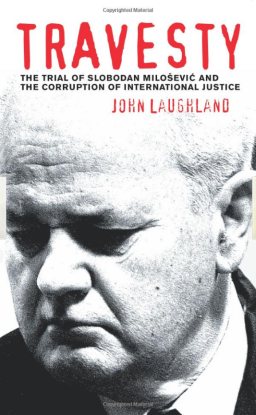
[…] Ann Arbor: Pluto Press; 2007, £14.99 (UK) $24.95 (US), p/b Laughland is an interesting figure, whose writing appears in media across the ideological spectrum, from the conservative right to The Guardian and here, Pluto Press. It is thus a little hard to identify his politics. Three years ago David Aaronovitch wrote about him. […]
Lobster Issue 33 (Summer 1997)
The CIA In a recent ‘Witness Seminar’ on the 1975 British referendum on entry into the European Economic Community (EEC), the Conservative MP, Sir Richard Body, who in 1975 was co-chair of the anti-EEC National Referendum Campaign, had this to say: ‘At the very beginning of the campaign two CIA agents came to see […]
Lobster Issue 49 (Summer 2005)
[…] Healey become leader many commentators believe the SDP would never have been launched and the result of the 1983 election would have been different (a much lower Conservative majority). By staying on and adopting an easy-going and lacklustre stance, Callaghan gave credibility to the many demands for a radical change of direction. When he […]
Lobster Issue 53 (Summer 2007)
[…] as he ends his period in office mired by the honours scandal. The reason that the Economist gave for backing his re-election, that he was the best conservative on offer was totally true; but even die-hard conservatives must have been shocked at his totally supine attitude to the Bush administration. He provided legitimacy to […]