Lobster Issue 49 (Summer 2005)
NFTB There is a new issue, no 6, of Larry O’Hara’s Notes from the Borderland. It is 68 pages, glossy paper, with essays on ‘journo-cops’, Paul Foot, Shayler and Machon and the Copeland bombing. In the UK this is £3.50 from BM 4769, London WC1N 3XX; a two issue sub is £7.50. Outside the UK: … Read more
Lobster Issue 40 (Winter 2000/1)
[…] national security.’ Only recently the government had tried to put the editor of Punch in prison. (3) ‘I used to think the problem was 18 years of Conservative government, now I think the problem is government per se.’ Rear Admiral Nick Wilkinson, Secretary of the D-Notice Committee, believes that without the D-notice system there […]
Lobster Issue 49 (Summer 2005)
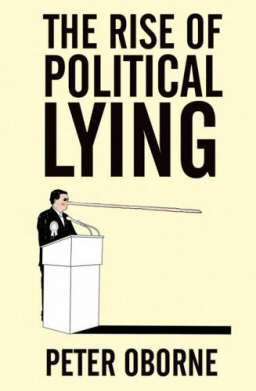
[…] past 25 years to show us how relatively truthful New Labour’s predecessors were. This old nag won’t run. For example, he merely examines Mrs Thatcher’s lies, not Conservative lies of the period. (Just think of all the lies told about Labour-controlled local government in the 1980s!) Nor does he mention Northern Ireland. Starting his […]
Lobster Issue 28 (December 1994)
[…] the story has been subject to some ridicule by some sectors of the defence establishment. Tam Dalyell’s initial source, shortly after the Falklands War, was a senior Conservative back-bench MP with an interest in defence matters and close links with the Ministry of Defence, and who later held ministerial office. Tam later had it […]
Lobster Issue 53 (Summer 2007)
[…] from them. He sees the current situation as the outcome of struggle between factions of the American ruling class, between what he calls neo-liberal multilateralism and neo- conservative unilateralism. The multilateralists were exemplified by the Trilateral Commission who, in the 1970s, during Jimmy Carter’s term, had a go at creating a – here comes […]
Lobster Issue 45 (Summer 2003)
[…] increasingly right-wing London Evening Standard who was a recent participant in a New Atlantic Initiative (below) conference organised by Richard Perle’s American Enterprise Institute. Gove is the Conservative columnist at The Times much seen in TV studios pressing the war case. Pollard is a former Fabian Society official, a joint author with No 10 […]
Lobster Issue 34 (Winter 1997)
[…] contracts a year with the ministry, and the top 5 contractors account for 31 percent of MOD business.’ p. 178 ‘In the two years to 1995, the Conservative Party received almost £1 million from those firms paid £5 million or more by the MOD in 1995-6.’ p. 178 A European defence industry? ‘The risk […]
Lobster Issue 45 (Summer 2003)
NB This issue of Lobster went to the printer in late May. At that stage no Iraqi ‘weapons of mass destruction’ had been found by the ‘coalition’ forces. Before the furore over the British government’s ‘dodgy dossier’ in February, in truth I hadn’t been really paying much too attention to the then impending assault on … Read more