Lobster Issue 39 (Summer 2000)
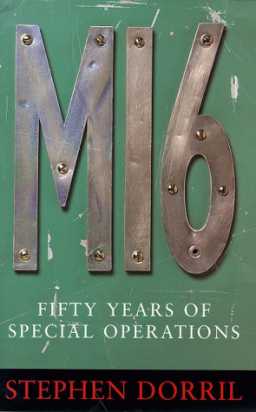
[…] the Labour Movement and his former allies, but in the words of his former wife Margaret, has sold his soul to the devil. Never mind, that ghastly conservative creep Blair tells us we should be proud of our MI6 boys and girls for they give us a cutting edge over the rest of the […]
Lobster Issue 33 (Summer 1997)
For almost two generations, researchers in the UFO field have suspected that there is a cover-up by US government agencies which prevents any meaningful progress in discovering the facts behind the UFO myth. The single most important factor supporting this view has been the alleged crash of a UFO at Roswell, New Mexico, in 1947. … Read more
Lobster Issue 39 (Summer 2000)
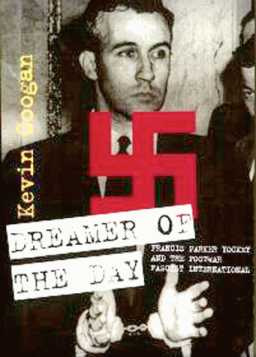
[…] powers. The clandestine rearming of Germany, in which the Soviet Union was complicit, saw ‘Mother Russia’ repaid with the slaughter that accompanied Operation Barbarossa. Indeed the ‘ conservative revolutionary’ geopolitics that made possible such alliances belies Coogan’s thesis that the today’s left is immersed in the throes of similarly deadly malaise. For those who […]
Lobster Issue 55 (Summer 2008)
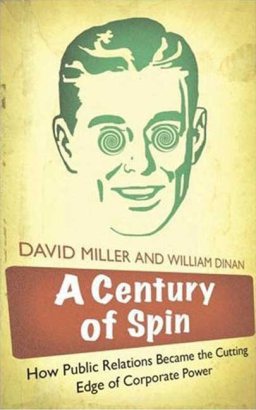
[…] pro-nuclear, pro-EU and pro-destroying the public sector. The only significant difference is that the Cameroons are linked to a different cluster of corporate sponsors. The NuLab and Conservative parties’ use of PR is discussed but that isn’t the meat of those chapters. This is the best introduction to real power politics in this society […]
Lobster Issue 52 (Winter 2006/7)
[…] We’ve got another MP who takes a serious interest in the British secret state. In the past we have had MPs who had been secret servants (mostly Conservative) and a few Labour MPs who took a temporary interest. Almost twenty years ago Ken Livingstone took a sustained interest until the researcher who was generating […]
Lobster Issue 39 (Summer 2000)
[…] trumped-up charges of plotting to assassinate Lloyd George. The Zinoviev Letter is mentioned, but not the fact that MI5 officers (notably Joseph Ball, who later became a Conservative Party official) were prime suspects for leaking it to the press in order to damage the Labour Party’s chances at the 1924 election. Curry implicates British […]