Lobster Issue 34 (Winter 1997)
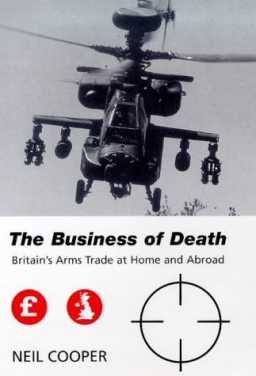
[…] contracts a year with the ministry, and the top 5 contractors account for 31 percent of MOD business.’ p. 178 ‘In the two years to 1995, the Conservative Party received almost £1 million from those firms paid £5 million or more by the MOD in 1995-6.’ p. 178 A European defence industry? ‘The risk […]
Lobster Issue 52 (Winter 2006/7)
[…] We’ve got another MP who takes a serious interest in the British secret state. In the past we have had MPs who had been secret servants (mostly Conservative) and a few Labour MPs who took a temporary interest. Almost twenty years ago Ken Livingstone took a sustained interest until the researcher who was generating […]
Lobster Issue 34 (Winter 1997)
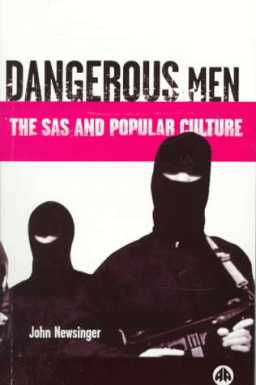
[…] heroes. This changed in the 1980s when the SAS found themselves enlisted as Thatcher’s Praetorian Guard, their exploits, both past and present, exploited as part of the Conservative Party’s ideological offensive against the post-1945 political and social settlement.’ (p. 3) He notes the ‘interesting cultural difference between Britain and the United States that there […]
Lobster Issue 55 (Summer 2008)
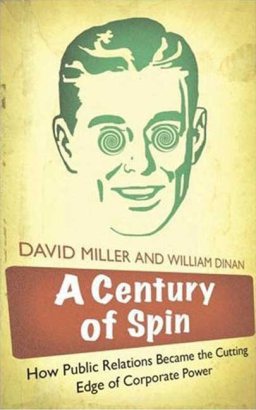
[…] pro-nuclear, pro-EU and pro-destroying the public sector. The only significant difference is that the Cameroons are linked to a different cluster of corporate sponsors. The NuLab and Conservative parties’ use of PR is discussed but that isn’t the meat of those chapters. This is the best introduction to real power politics in this society […]
Lobster Issue 40 (Winter 2000/1)
[…] June 2000, he has been welcomed back into the ranks of the Pinay Circle and attended the June meeting of the Circle in Lisbon. Also present were Conservative MPs Michael Howard and Alan Duncan and Lord Cranbourne, leader of the Tories in the House of Lords. NATO and Kosovo The most surprising comments on […]
Lobster Issue 34 (Winter 1997)
[…] Brown’s economics advisor, and former SIS officer Baroness Ramsay.(9) Only in forelock-tugging Britain would a former intelligence officer be appointed to a (nominal) oversight committee. From the Conservative Party there is former Northern Ireland junior minister Michael Mates (Colonel, rtd.), and Tom King, former Secretary of State for Northern Ireland and former Minister of […]
Lobster Issue 40 (Winter 2000/1)
[…] and on the Euro in the lead-up to the European elections. Crucially, senior staff at the BBC managed the news to such an extent that the Pro-Euro Conservative Party, which received just 1% of the popular vote, received infinitely more coverage than did my Party, which achieved 8% of the vote. Yet, when we […]
Lobster Issue 55 (Summer 2008)
[…] Observer had stood out against the British invasion of Suez in 1956, despite courting the scorn of the government and the loss of some of its more conservative readers and advertisers. And yet this newspaper which had thrived on scepticism was seduced into accepting unproven and extravagant claims; this flagship of the left was […]